
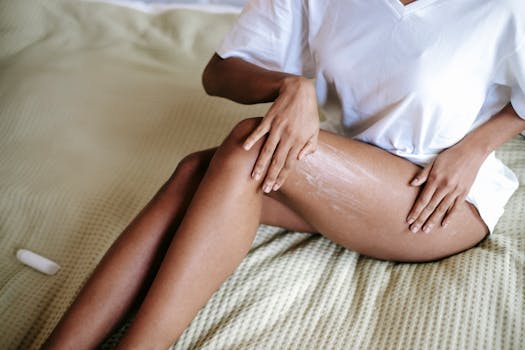

We’re constantly bombarded with skincare ingredients promising the moon, and peptides are often front and center. But beyond the buzzwords, do they really deliver on their hydrating claims? It’s a question that lingers, especially when we consider how these tiny protein fragments are supposed to work their magic after they’ve been absorbed into our skin. The notion that peptides enhance skin hydration and prevent hydration loss after their absorption isn’t just a marketing slogan; it’s rooted in fascinating biological processes. Let’s peel back the layers and explore this intriguing aspect of peptide skincare.
What Exactly Are Peptides, Anyway?
Before we delve into their hydrating prowess, it’s essential to understand what peptides are. Think of them as the building blocks of proteins, specifically short chains of amino acids. These amino acids link together to form larger protein structures like collagen and elastin – the very scaffolding that gives our skin its firmness and elasticity. In skincare, we’re usually referring to signal peptides, carrier peptides, and inhibitor peptides, each with a unique role. Signal peptides, for instance, are like tiny messengers, telling your skin cells to perform specific functions, such as producing more collagen or repairing damage. It’s this signaling capability that hints at their potential to influence hydration levels.
The Absorption Enigma: How Do Peptides Get In?
This is often where the skepticism creeps in. Our skin is a formidable barrier, designed to keep unwanted substances out. So, how do these relatively large molecules (compared to, say, water or glycerin) manage to penetrate the stratum corneum, the outermost layer of our skin? It’s a question that deserves contemplation.
Size Matters, But Not Always: While larger peptides might struggle, smaller, specifically designed peptide chains can indeed penetrate the skin. The formulation of the product plays a critical role here; clever chemists use penetration enhancers and liposomal encapsulation to help peptides reach deeper layers where they can exert their influence.
The Stratum Corneum’s Pathways: There are a few theoretical routes: the transcellular pathway (through skin cells), the intercellular pathway (between skin cells), and appendageal pathways (through hair follicles and sweat glands). It’s likely a combination of these, depending on the peptide’s characteristics and the formulation.
Beyond Simple Diffusion: It’s not always about passively seeping in. Some research suggests that peptides can interact with skin lipids and proteins, temporarily altering the barrier function to facilitate their passage. This interaction itself is quite a remarkable feat!
Unveiling the Hydration Mechanism: Peptides Enhance Skin Hydration
Once absorbed, how do these tiny messengers actively enhance skin hydration? It’s a multi-faceted process that goes beyond simply attracting water.
- Boosting Natural Humectants: Some peptides are designed to signal skin cells to increase the production of natural moisturizing factors (NMFs). These are compounds like hyaluronic acid, amino acids, and ceramides that reside within the skin cells and are crucial for attracting and retaining water. By prompting the skin to produce more of its own hydrating ingredients, peptides essentially bolster its internal moisture reserves.
- Strengthening the Skin Barrier: A compromised skin barrier is a leading cause of dehydration. It allows water to escape too easily and irritants to penetrate. Certain peptides, particularly those that stimulate collagen and elastin production, contribute to a stronger, more resilient skin barrier. Think of it like repairing cracks in a dam; a stronger dam holds water much more effectively.
- Encouraging Hyaluronic Acid Synthesis: Hyaluronic acid (HA) is a superstar hydrator, capable of holding up to 1000 times its weight in water. Some peptide sequences are known to stimulate fibroblasts – the cells responsible for producing HA. This means that with consistent peptide use, your skin could be producing more of its own internal plumping and hydrating powerhouse.
The Dual Action: Preventing Hydration Loss After Absorption
Perhaps even more impressive than boosting hydration is the role peptides play in preventing its loss. This is where their influence on barrier function truly shines.
Reinforcing Lipid Production: Ceramides are essential lipids that form the “mortar” between skin cells, creating an effective waterproof seal. Certain peptides can signal keratinocytes (skin cells) to ramp up ceramide production. This creates a tighter, more cohesive barrier, significantly reducing transepidermal water loss (TEWL).
Modulating Inflammatory Responses: Inflammation can wreak havoc on the skin barrier, making it more permeable and prone to water loss. Some peptides possess anti-inflammatory properties, helping to calm the skin and restore its healthy function, which indirectly supports better hydration retention.
Supporting the “Natural Moisturizing Factor” Ecosystem: Beyond just producing HA, peptides can influence the overall balance of NMFs. This creates a more robust internal environment that can hold onto moisture even under challenging conditions, like dry air or environmental stressors.
Critical Considerations: What Else Should We Think About?
While the science is compelling, it’s always wise to approach skincare with a critical eye.
Peptide Type and Quality: Not all peptides are created equal. Their effectiveness hinges on their specific amino acid sequence, size, and how they are formulated. A reputable brand will often detail the types of peptides used and their intended benefits.
Concentration and Delivery System: The concentration of peptides in a product matters, as does the vehicle they are delivered in. A well-formulated product will ensure the peptides are stable and can reach their target site within the skin.
Consistency is Key: Like many active ingredients, peptides require consistent application to yield noticeable results. Don’t expect overnight miracles; sustained use is crucial for observing enhanced hydration and reduced water loss.
Synergy with Other Ingredients: Peptides often work best in conjunction with other hydrating and barrier-supporting ingredients like hyaluronic acid, ceramides, and niacinamide. They don’t operate in a vacuum.
Final Thoughts: Embracing the Intelligent Hydration of Peptides
The journey into understanding peptides and their role in skin hydration is fascinating, revealing a sophisticated, intelligent approach to moisture retention. The idea that peptides enhance skin hydration and prevent hydration loss after their absorption is not merely a promise, but a scientifically plausible outcome of their signaling and barrier-supportive functions. When incorporated thoughtfully into a skincare routine, these diminutive protein fragments can indeed empower your skin to become a more effective self-hydrator and moisture-retainer.
The next time you reach for a peptide serum, pause to consider the intricate biological conversation happening beneath the surface. Your skin is actively responding, building stronger defenses, and boosting its natural hydrating capabilities. So, while the initial absorption might seem like a hurdle, it’s the subsequent actions – the signaling, the strengthening, and the protection – that truly unlock the profound hydrating potential of peptides.


