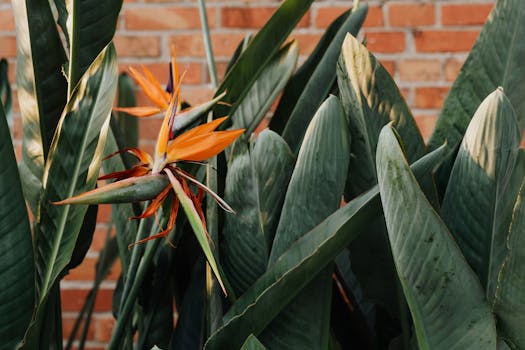

Are you tired of the endless cycle of watering, fertilizing, and battling pests in a lawn that often feels more like a chore than a sanctuary? Have you ever looked at your garden and wondered if there’s a more harmonious way to coexist with nature, right outside your door? The idea of transforming a conventional landscape into something truly alive, buzzing with beneficial insects and vibrant with local flora, can feel both exhilarating and a bit daunting. But what if the secret to a truly resilient, beautiful, and ecologically sound garden lies not in imported exotics, but in embracing the plants that have called your region home for millennia? This is precisely the question we’re exploring as we delve into how to implement native plant gardens. It’s more than just a gardening trend; it’s a philosophical shift towards a more sustainable and rewarding way of cultivating our outdoor spaces.
Unearthing the “Why”: The Compelling Case for Local Flora
Before we get our hands dirty, it’s crucial to understand the profound benefits that stem from choosing plants native to your specific geographic area. It’s easy to be drawn to the exotic blooms from faraway lands, but what are we often sacrificing in the process? Native plants are not simply pretty additions; they are integral components of a functioning local ecosystem. They have co-evolved with local wildlife, meaning birds, bees, butterflies, and other creatures rely on them for food, shelter, and breeding grounds. When you choose to implement native plant gardens, you’re essentially creating a vital habitat corridor in your own backyard.
Consider the astonishing amount of resources – water, energy, and labor – that go into maintaining non-native landscapes. Many popular garden plants require constant irrigation, especially during dry spells, and a steady diet of synthetic fertilizers to thrive. Native species, on the other hand, are genetically adapted to your local climate and soil conditions. This translates to significantly reduced watering needs, less reliance on chemical inputs, and a garden that essentially takes care of itself once established. It’s a win-win for your wallet and the planet.
Navigating the “How”: Practical Steps to Your Native Oasis
So, you’re intrigued. The benefits are clear, but where do you begin to implement native plant gardens? It’s a journey, and like any good journey, it starts with a plan.
#### 1. Become a Local Detective: Understanding Your Ecosystem
The absolute first step is research. This isn’t about picking pretty pictures from a catalog; it’s about understanding your place. What plants are historically native to your specific county or ecoregion? Resources abound: local extension offices, native plant societies, reputable conservation organizations, and even knowledgeable local nurseries are invaluable. They can guide you towards species that will not only survive but thrive in your particular microclimate, soil type, and sun exposure. Don’t guess; investigate! Understanding your local conditions is paramount to successful implementation.
#### 2. Site Assessment: Observing Your Garden’s Personality
Once you have a general idea of suitable plants, it’s time to look closely at your existing space. Does a particular area receive full sun all day? Is there a shady, damp corner under a large tree? Are there areas prone to erosion or heavy foot traffic? Mapping these conditions will help you match the right native plant to the right spot. It’s about working with your site, not against it. This thoughtful observation is key to how to implement native plant gardens effectively.
#### 3. Gradual Transformation: Embracing a Phased Approach
The idea of ripping out your entire lawn and starting from scratch can be overwhelming. The beauty of transitioning to native plants is that it can be a gradual process. Perhaps you start by converting a small section of lawn, or replacing a few non-native shrubs with their native counterparts. Each successful addition builds confidence and knowledge. This step-by-step approach makes the transition less daunting and allows you to learn as you go.
Zone by Zone: Tackle one area of your yard at a time.
One Plant at a Time: Replace a single, struggling non-native with a well-chosen native.
Seasonal Planting: Incorporate new natives during their optimal planting season.
#### 4. Beyond the Bloom: Soil, Sun, and Support
Remember, native plants are adapted to local conditions. This means they generally require less amending of the soil. In fact, over-fertilizing can sometimes be detrimental, encouraging weak growth that attracts pests. Proper watering during the establishment phase is crucial, but once settled, many natives are remarkably drought-tolerant. And don’t forget the “support” aspect – this includes providing habitat. Think about leaving some leaf litter for overwintering insects or incorporating rocks and logs that offer shelter.
The Ripple Effect: What Happens When Nature Takes Hold?
When you successfully implement native plant gardens, the changes extend far beyond your property lines. You become a steward of biodiversity. Your garden transforms from a sterile monoculture into a vibrant tapestry of life. You’ll witness an increase in pollinators – bees, butterflies, and beneficial wasps – which are critical for our food systems. Local bird populations will likely increase as they find reliable food sources (berries, seeds, insects) and nesting sites. It’s a powerful demonstration of how individual actions can contribute to a larger ecological restoration.
I’ve personally found that observing the subtle shifts in wildlife activity is one of the most rewarding aspects. A patch of coneflowers, once just a pretty flower, becomes a bustling hub for bees. A cluster of milkweed, crucial for Monarch butterflies, turns into a living laboratory of caterpillar growth and transformation. It’s a constant, fascinating, and deeply satisfying connection to the natural world that feels profoundly grounding.
Addressing Common Concerns: Is it
Really* That Simple?
Of course, like any endeavor in life, there are nuances. Some gardeners worry that native gardens will look “messy” or “unruly.” This is a common misconception, often stemming from a lack of exposure to the sheer variety and beauty of native species. Many native plants offer spectacular blooms, intricate foliage, and stunning fall color. With thoughtful design and plant selection, you can create a landscape that is both ecologically functional and aesthetically pleasing.
Another concern might be the availability of native plants. While historically this was a challenge, the market is rapidly expanding. More and more reputable nurseries are stocking a wider array of local ecotypes. Furthermore, connecting with local native plant societies can often lead you to sources for seeds or divisions of locally adapted plants, fostering a true sense of community and shared purpose in these conservation efforts.
Wrapping Up: Cultivating a Greener Legacy
The decision to implement native plant gardens is more than just a horticultural choice; it’s a commitment to environmental stewardship. It’s an invitation to step away from the resource-intensive, often sterile landscapes we’ve become accustomed to, and embrace a more natural, resilient, and truly living system. As you observe the bees buzzing from bloom to bloom, the butterflies flitting through your garden, and the birds finding solace and sustenance, you’ll realize that you’re not just growing plants – you’re cultivating a thriving ecosystem. This is the ultimate reward: a garden that gives back, season after season, in ways that are both beautiful and profoundly meaningful. So, take that first step, do your research, and prepare to be amazed by the enduring power and beauty of your local flora.