
Have you ever savored a dish and wondered what elevates it from mere sustenance to an unforgettable experience? Is it solely the quality of the ingredients, or is there a more profound art at play? The answer, as any seasoned chef will attest, lies in the masterful application of culinary techniques. These aren’t just steps in a recipe; they are the foundational grammar and syntax of flavor, texture, and aroma, the silent orchestrators that bring raw ingredients to vibrant life.
Far from being mere mechanical processes, understanding and executing culinary techniques with precision is akin to learning a musical instrument. It requires practice, intuition, and a deep appreciation for how heat, pressure, and chemical reactions interact to unlock an ingredient’s full potential. Let’s delve into the essence of these transformative practices, moving beyond the superficial to explore the why behind the what.
The Alchemy of Heat: Mastering Transformation
Heat is perhaps the most fundamental force in the kitchen, a versatile tool capable of both subtle persuasion and dramatic metamorphosis. It’s not just about making things hot; it’s about controlling the way heat is applied and the duration of its influence.
#### Searing vs. Broiling: A Tale of Two Grills
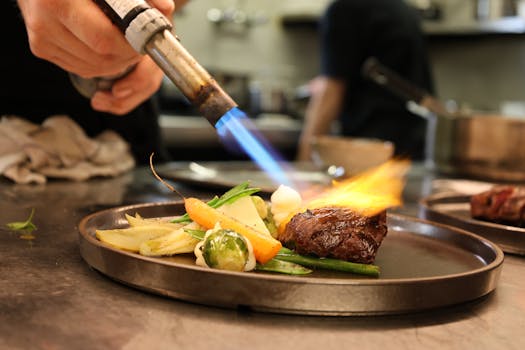
The distinction between searing and broiling, while both involving direct, high heat, is crucial. Searing, typically done in a pan, aims to create a rapid, intense Maillard reaction on the surface of proteins and vegetables. This caramelization develops complex, savory flavors and a delightful crust. I’ve often found that achieving a perfect sear requires a screaming-hot pan and minimal interference; overcrowding the pan is the cardinal sin here.
Broiling, on the other hand, uses radiant heat from above. It’s excellent for quick cooking of thinner cuts, melting cheese, or achieving a nicely browned top on dishes like gratins or baked pastas. The key is vigilance; broilers can turn beautiful browning into charcoal in seconds.
#### The Gentle Embrace of Poaching and Sous Vide
In stark contrast to searing, poaching and sous vide represent the gentler side of heat application. Poaching, typically in liquid at temperatures below simmering, cooks delicate ingredients like fish or eggs with unparalleled tenderness and moisture retention. It’s a method that speaks of patience and precision, yielding results that are remarkably subtle.
Sous vide, a more contemporary technique, takes this controlled heat to its extreme. By vacuum-sealing food and immersing it in a precisely temperature-controlled water bath, one achieves an unprecedented level of consistency and perfection. This method ensures that proteins are cooked evenly throughout, from edge to edge, a feat nearly impossible with conventional cooking. The subsequent searing step post-sous vide is vital for developing surface flavor and texture, a testament to the synergistic nature of culinary techniques.
The Art of Moisture Management: From Dryness to Delight
Water, or its absence, plays a critical role in shaping the final outcome of a dish. Techniques that manage moisture are essential for achieving desired textures and concentrating flavors.
#### The Power of Reduction and Evaporation
Reduction is a cornerstone of flavor building. By simmering liquids – stocks, sauces, wine, or even fruit juices – the water content evaporates, concentrating the dissolved solids and intensifying the taste. A well-executed reduction can transform a watery sauce into a rich, unctuous glaze. It’s a process that requires a watchful eye, as the line between a perfect reduction and a burnt mess can be razor-thin.
Conversely, techniques like dehydration, often associated with preserving food, can also be used creatively to concentrate flavors in a different way. Think of sun-dried tomatoes or dried mushrooms; their essence is amplified through the removal of water.
#### Emulsions: The Science of Unlikely Partnerships
Emulsions, like mayonnaise or hollandaise, are a beautiful demonstration of how seemingly incompatible ingredients – oil and water – can be coaxed into a stable, creamy union through the magic of emulsifiers (like egg yolks) and vigorous whisking or blending. Mastering these culinary techniques unlocks a world of sophisticated sauces and dressings that add richness and depth to countless dishes. The stability of an emulsion often hinges on the temperature of the ingredients and the gradual introduction of the fat.
Precision Through Preparation: Cutting, Marinating, and Fermenting
Before the heat even comes into play, the preparation of ingredients sets the stage for success. The way we cut, treat, and transform raw components significantly impacts their texture, flavor absorption, and overall presentation.
#### Knife Skills: The Unsung Hero of Texture
Beyond mere aesthetics, proper knife skills are fundamental to achieving optimal cooking results. The uniform size of diced vegetables ensures even cooking. Thinly sliced meat cooks quickly and evenly. The precise julienne of a carrot adds a delicate crunch to a salad. It’s about understanding how the surface area to volume ratio affects cooking time and texture. In my experience, investing time in honing knife skills is one of the most impactful steps a home cook can take.
#### The Transformative Power of Marinades
Marinades are more than just flavor enhancers; they are chemical architects. Acids in marinades (like citrus juice or vinegar) begin to break down the protein fibers in meats, tenderizing them. Enzymes from ingredients like pineapple or papaya can do this even more aggressively. Coupled with aromatics and salt, marinades infuse flavor deep into the ingredient, leading to a more complex and satisfying final product.
#### The Ancient Art of Fermentation
Fermentation, an ancient practice driven by beneficial microbes, is a powerful technique for transforming ingredients, enhancing digestibility, and developing unique, often tangy or umami-rich flavors. From the subtle sourness of sourdough bread to the complex funk of kimchi and sauerkraut, fermentation is a testament to the power of controlled microbial activity. It’s a fascinating intersection of microbiology and gastronomy, yielding unparalleled depth and character. This process often involves simple ingredients and time, showcasing that profound flavor doesn’t always require high heat or complex machinery.
Conclusion: The Endless Evolution of Culinary Mastery
Ultimately, culinary techniques are not static rules but dynamic principles that chefs and home cooks alike can adapt and innovate upon. They are the essential building blocks that allow us to interpret recipes, improvise with ingredients, and ultimately, create dishes that resonate with our palates and our memories.
By understanding the science and art behind these fundamental practices – from the controlled application of heat and moisture to the precision of preparation – we unlock a deeper appreciation for the culinary world. The journey of a skilled cook is one of continuous learning, experimentation, and refinement, where each technique mastered opens new avenues for delicious discovery. The true magic of cooking lies not just in following instructions, but in understanding the underlying principles that guide them, allowing for true culinary expression.