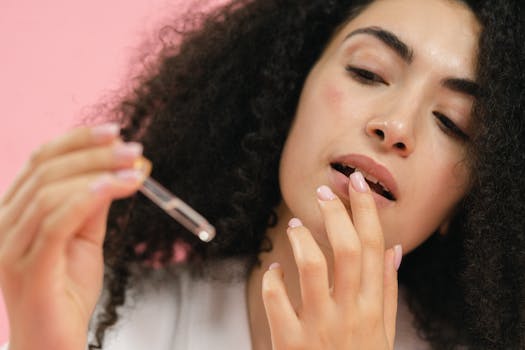

Let’s face it, the idea of our bodies gradually winding down isn’t exactly a party popper. And when it comes to our skin, one of the most noticeable changes is that slow, inevitable march towards less plumpness and more… well, let’s call it “character lines.” Ever wondered why that youthful bounce starts to feel more like a gentle sigh? It’s a fascinating biological reality: natural collagen production also decreases with age. Think of collagen as the body’s scaffolding – the protein that gives your skin, bones, and connective tissues their strength and elasticity. And just like a well-loved old house, that scaffolding can start to sag a bit over time.
Unpacking the Age-Related Collagen Slide
So, what’s really going on under the hood? It’s not like your body suddenly decides to go on strike. Instead, it’s a gradual, multi-faceted process. Our collagen-producing cells, known as fibroblasts, become less efficient. They don’t churn out as much new collagen, and the collagen that’s already there starts to break down more rapidly. It’s a bit like having fewer builders and more demolition crews on the job site. This decline typically kicks off in our mid-20s, but the really noticeable effects tend to surface a bit later.
The Culprits Behind the Collagen Crash
While aging is the primary driver, a few other pesky factors can accelerate this collagen decline, making the process feel more like a stampede than a gentle stroll.
Sun Exposure (The Big Bad Wolf): Those glorious rays of sunshine are also UV-powered collagen destroyers. Excessive sun exposure, particularly without adequate protection, triggers the production of enzymes that break down collagen. So, that tan you loved in your youth might be contributing to present-day wrinkles.
Smoking (A Real Downer): If you needed another reason to ditch the cigarettes, here’s a big one. Smoking constricts blood vessels, reducing the oxygen and nutrients that reach your skin cells. This impairs collagen production and speeds up its breakdown. Plus, the repetitive facial movements from smoking? Not exactly a collagen-boosting exercise.
Poor Diet (Fueling the Fire… or Not): Your body needs the right building blocks to make collagen. A diet lacking in essential nutrients, particularly vitamin C, zinc, and copper, can hinder collagen synthesis. Think of it as trying to build a house with insufficient materials – it’s bound to be a bit wobbly.
Environmental Stressors: Pollution and other environmental toxins can also contribute to oxidative stress, which damages skin cells and interferes with collagen production.
What Does This Collagen Shift Actually Look Like?
When natural collagen production also decreases with age, the visual cues are pretty consistent.
Wrinkles and Fine Lines: This is the most obvious sign. As the collagen scaffolding weakens, the skin loses its ability to spring back, leading to the formation of creases.
Loss of Firmness and Elasticity: That wonderfully taut feeling starts to fade. Your skin might feel a bit looser, especially around the jawline and cheeks.
Dryness: Collagen helps retain moisture. With less of it, your skin can become drier and more prone to flakiness.
Thinner Skin: Over time, the skin can actually become thinner and more translucent, making it more fragile.
Can We Reverse the Trend? (Spoiler: Sort Of!)
While we can’t exactly rewind the clock and bring back the collagen production of our teenage years (oh, the dreams we had!), we can certainly influence the process and support our skin’s health. It’s more about management and support than a full-blown reversal.
#### Nourishing Your Skin from Within
What you eat plays a surprisingly significant role.
Vitamin C Powerhouse: This is your collagen’s best friend. Think citrus fruits, berries, bell peppers, and leafy greens. Vitamin C is crucial for collagen synthesis and acts as an antioxidant.
Protein Packed: Collagen itself is a protein, so consuming adequate protein from sources like lean meats, fish, beans, and eggs provides the amino acids your body needs.
Zinc & Copper Allies: These minerals, found in nuts, seeds, whole grains, and shellfish, are also important cofactors in collagen production.
Bone Broth Bounty: It sounds a bit rustic, but bone broth is a fantastic source of collagen peptides and amino acids.
#### Topical Treasures & Treatments
While diet is key, topical applications can also lend a helping hand.
Retinoids (The Workhorses): Prescription retinoids and over-the-counter retinol can stimulate collagen production and cell turnover. They’re potent, so start slow and be consistent.
Peptides (The Signalers): These short chains of amino acids can signal your skin to produce more collagen. You’ll find them in many serums and creams.
Growth Factors (The Promoters): These proteins can encourage cell growth and repair, including collagen synthesis.
Professional Interventions: Treatments like microneedling, laser therapy, and radiofrequency can create micro-injuries that stimulate the body’s natural healing response, including increased collagen production. These are best discussed with a dermatologist or skincare professional.
The Takeaway: Embrace the Journey, Support Your Skin
The fact that natural collagen production also decreases with age is a fundamental biological truth. It’s part of the grand, sometimes messy, tapestry of life. Instead of lamenting the lost bounce, we can empower ourselves with knowledge and embrace strategies that support our skin’s resilience and vitality. It’s about nurturing what you have and understanding the incredible processes happening within you.
So, as you navigate the years, consider this your gentle nudge to be kind to your skin. Are you ready to give your body the support it needs to keep that scaffolding strong, even as the years add their unique charm?