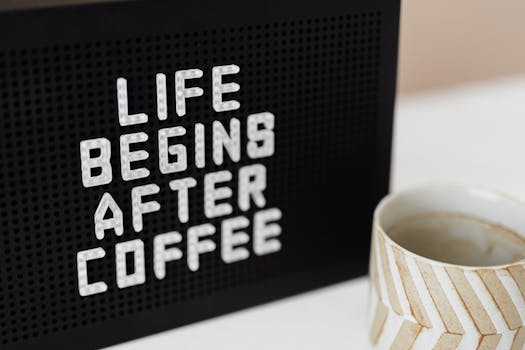

Ever feel like you’re just going through the motions? Like your days are a blur of to-do lists and obligations, and you’re not quite sure what you’re working towards, beyond just… getting through it? Yeah, I’ve been there. For the longest time, I thought a “good routine” was all about rigid schedules, early mornings, and squeezing every last drop of productivity out of every minute. And sure, those things can be helpful. But lately, I’ve been realizing that focusing solely on the “doing” part of our routine misses a massive piece of the puzzle. It’s not just about what you do, but how you feel while you’re doing it, and what you’re actually getting out of it.
Beyond the Clock: What’s Your Routine Really For?
We often get so caught up in the mechanics of our daily schedule that we forget to ask the big “why.” Is your routine designed to make you feel accomplished, or just busy? Is it fueling you, or draining you? For me, this realization came during a particularly hectic period. I had a packed schedule, I was ticking off tasks, but I felt utterly uninspired and frankly, a bit miserable. It dawned on me that my routine was serving an external idea of success, rather than my internal sense of well-being. It was time for a serious re-evaluation. We need to move past the idea of a routine as just a series of actions and start viewing it as a deliberate architecture for our lives.
The “Moment of Pause” Technique for a More Intentional Day
One of the most transformative shifts I’ve made isn’t about adding more to my plate, but about strategically placing moments of intentional pause. Think of it as hitting the “snooze” button on autopilot. Before you jump into the next task, or even before you start your day, take just 30 seconds to a minute. What are you feeling right now? What do you want to feel as you approach this next activity? This isn’t about meditating for an hour (though that’s great too!). It’s about a brief, conscious check-in.
Before your morning coffee: Instead of grabbing your phone, just sit for a moment. Breathe.
Between work tasks: Close your eyes for 10 seconds. Notice your posture.
Before responding to an email: Take a breath and consider your intended tone.
These micro-pauses help break the chain of reactive living and allow you to consciously choose your response, infusing a little more intention into your routine. It’s surprising how much a few seconds of mindfulness can shift your entire outlook on a task.
Weaving in “Joyful Friction” for Deeper Engagement
Here’s something that sounds a little counter-intuitive: sometimes, the best way to improve your routine is to add a touch of friction. Not the annoying kind that makes you want to throw your computer out the window, but “joyful friction.” This means intentionally making certain things slightly harder or less convenient in a way that actually enhances the experience or outcome.
For example, instead of having your phone right next to your bed, place it across the room. This “friction” forces you to get out of bed to check it, which can prevent mindless scrolling first thing. Or, instead of having all your snacks readily available, put them in a less accessible cupboard. This small hurdle can curb impulsive unhealthy eating.
This concept of joyful friction is about creating small, deliberate barriers that encourage more conscious decision-making and engagement. It’s a subtle way to ensure your routine is serving your goals, rather than letting your impulses dictate your day.
The Power of “Exit Routines”
We talk a lot about morning routines, but what about ending your day? The concept of an “exit routine” – a set of actions that signals the end of your workday or a particular activity – is incredibly powerful. This is your cue to transition from “doing” to “being.” It helps you compartmentalize, mentally switch gears, and prevent work stress from bleeding into your personal time.
My own exit routine is pretty simple: I clear my desk, jot down a few key tasks for the next day (so they’re out of my head), and then I physically close my laptop. It’s a small ritual, but it’s a powerful signal to my brain that the workday is done. Others might include a short walk, listening to a specific podcast, or doing a quick tidy-up. Experiment with what feels like a genuine closing of the chapter for you. It’s about creating a clear boundary and giving yourself permission to switch off.
Reflecting on Your Routine’s “Return on Investment”
Beyond just ticking boxes, what’s the actual return on investment (ROI) of your routine? Are you investing time and energy into activities that genuinely contribute to your goals, your happiness, and your overall well-being? This is where we need to get honest with ourselves.
Consider:
Energy levels: Does your routine leave you feeling energized or depleted?
Progress: Are you moving closer to your personal and professional aspirations?
Joy: Are there moments of genuine enjoyment and satisfaction built in?
Connection: Does your routine allow for meaningful interactions with loved ones?
If the ROI feels low, it’s a sign that some adjustments are in order. It’s not about chasing perfection, but about striving for a routine that feels nourishing and purposeful. Looking at your routine through this lens helps identify what’s truly valuable and what’s just taking up space.
Wrapping Up: The Evolution of Your Routine
Ultimately, your routine isn’t a static blueprint; it’s a living, breathing part of your life that should evolve with you. The most effective routines aren’t about being a robot, but about being a conscious architect of your days. So, the next time you find yourself on autopilot, pause and ask yourself: what’s really* missing from my routine? It might not be more structure, but more intention, more moments of pause, or a touch of joyful friction to make the journey more meaningful. Your future self will thank you for it.