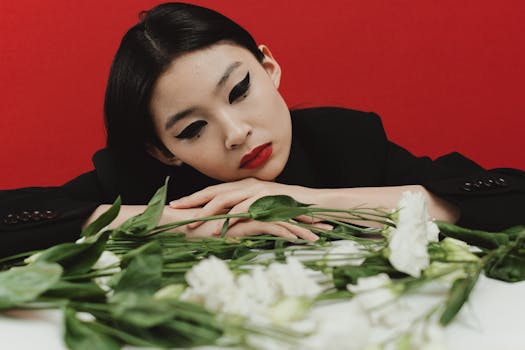

In an increasingly digital landscape, the first impression you make is often visual, and for professionals, that visual cornerstone is frequently a headshot. It’s more than just a picture; it’s a meticulously crafted representation, a silent ambassador for your personal brand. Consider the sheer volume of online profiles, company websites, and professional directories – each demands a distinct, compelling representation. A weak or outdated headshot can inadvertently communicate a lack of professionalism, stagnation, or even a disconnect from your current self. Conversely, a well-executed Headshot Photo can instantly convey confidence, approachability, and competence. It’s the digital handshake before the actual meeting, and its importance cannot be overstated. This isn’t about vanity; it’s about strategic self-presentation in a world that operates on swift, visual judgments.
Beyond the Selfie: Defining the Professional Headshot
What truly separates a professional Headshot Photo from a casual snapshot? It’s a confluence of deliberate choices, from lighting and composition to expression and attire. A true headshot focuses on the face and shoulders, drawing the viewer’s eye directly to the subject. The background is typically neutral or subtly blurred, ensuring no distractions pull attention away from you. Lighting is crucial, often designed to sculpt the face, minimize imperfections, and create a pleasant, engaging glow. The expression, perhaps the most critical element, should reflect your personality and the professional context. A genuine smile, a thoughtful gaze, or a confident direct look can speak volumes.
Decoding the Nuances: Key Elements of an Effective Headshot
Achieving an impactful headshot involves understanding several core components. Neglecting any one of these can significantly diminish the overall effectiveness of your image.
#### Lighting: The Sculptor of Expression
Lighting isn’t merely about illumination; it’s about shaping perception. Natural light, when soft and diffused (think near a window on an overcast day), can be incredibly flattering, creating a gentle, even tone. Studio lighting offers more control, allowing for techniques like three-point lighting (key light, fill light, and backlight) to add dimension and depth. The goal is to highlight your best features and avoid harsh shadows that can make you appear tired or unapproachable. I’ve often found that photographers who master subtle shadow play can add a sophisticated, intriguing quality to an otherwise straightforward shot.
#### Composition and Framing: Directing the Viewer’s Gaze
The way you are framed within the image is paramount. A tight crop, focusing solely on your face, can be intense and intimate, suitable for actors or those in highly personal client-facing roles. A slightly wider shot, including your shoulders and perhaps a hint of your torso, offers a bit more context and can feel more grounded. The rule of thirds often plays a role here, with the subject’s eyes positioned at or near one of the upper intersections, creating a more dynamic and visually pleasing image.
#### Expression: The Window to Your Professional Persona
This is where the art of the headshot truly shines. While a forced smile can look unnatural, a genuine, relaxed expression is key. Consider what you want to convey. Are you aiming for authority and gravitas? Or warmth and approachability? Subtle changes in eye contact, a slight upturn of the lips, or a relaxed brow can drastically alter the message. Practicing in front of a mirror can help you find that comfortable, authentic expression that resonates with your professional identity. Remember, it’s not about looking happy all the time, but about looking engaged and confident.
Strategic Choices: Tailoring Your Headshot to Your Audience
Your Headshot Photo isn’t a one-size-fits-all solution. Its effectiveness is amplified when it aligns with your industry, your role, and your target audience.
#### Industry-Specific Considerations
For a lawyer or a financial advisor, a more formal, serious, and perhaps darker-toned headshot might be appropriate, conveying trust and stability. For a creative professional – a designer, writer, or artist – there might be more room for personality and unique flair, perhaps with a more vibrant background or a more expressive pose. A tech entrepreneur might opt for something modern and clean, projecting innovation and forward-thinking. It’s about resonating with the expectations of your professional sphere.
#### The Power of Attire and Styling
Your clothing should complement, not compete with, your face. Solid colors in neutral tones (blues, grays, blacks, whites) generally perform best, as they don’t distract from your features. Avoid busy patterns, loud logos, or overly trendy items that can quickly date the photo. Similarly, ensure your hair and makeup are neat and professional, reflecting your everyday polished look. The goal is for your viewer to see you, not your outfit.
The Technicalities and Beyond: Practical Tips for a Stellar Shoot
Beyond the aesthetic, several practical considerations contribute to a successful headshot session.
#### Choosing the Right Photographer
This is arguably the most critical decision. Look for a photographer who specializes in headshots and has a portfolio that demonstrates the style you’re aiming for. They should be adept at directing you, making you feel comfortable, and understanding the technical aspects of lighting and composition. Don’t hesitate to ask for recommendations or to view their full client galleries.
#### Preparation is Key
Before the shoot, get a good night’s sleep. Hydrate well and avoid alcohol or excessive salt that can cause puffiness. Plan your outfits in advance and bring a few options. Consider how you’ll style your hair and any makeup you plan to wear. The more prepared you are, the more relaxed and confident you’ll feel during the session, which will invariably translate into a better photograph.
Frequently Asked Questions About Professional Headshots
How often should I update my headshot? This depends on your industry and how often your appearance changes significantly. For many professionals, every 2-3 years is a good benchmark. If you’ve undergone a major hairstyle change or a significant personal milestone, it might be time sooner.
Can I use a personal photo if it looks good? While a great candid shot might be tempting, it generally lacks the polish, lighting, and professional intent of a dedicated headshot. Hiring a professional ensures you get an image optimized for business use.
* What’s the difference between a headshot and a portrait? Portraits are often more artistic and can be wider shots with more elaborate backgrounds, designed to capture a broader sense of personality or narrative. A headshot is specifically focused on your face for professional identification and branding.
Final Thoughts: Investing in Your Digital First Impression
Your Headshot Photo is a vital component of your professional toolkit. It’s an investment in how you are perceived, a crucial element in building trust and credibility in the digital realm. By understanding the key elements – lighting, composition, and expression – and by strategically aligning your headshot with your professional context, you can create an image that truly represents you at your best. Don’t underestimate its power; a well-crafted headshot can open doors and forge connections long before you ever meet in person.