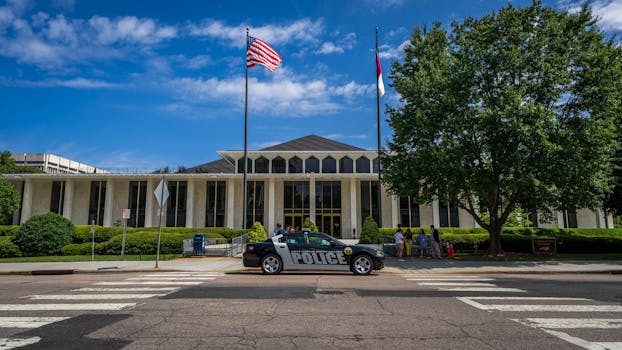

Did you know that the average person interacts with hundreds, if not thousands, of government regulations on a daily basis, most of which are born not in Washington D.C., but in state capitols and city halls across the nation? It’s a fascinating thought, isn’t it? While federal laws often grab headlines, it’s the often-overlooked realm of state and local laws that truly governs the nitty-gritty of our lives. These are the unseen architects, meticulously shaping our communities, businesses, and personal freedoms in ways we might not even consciously realize. Understanding this intricate legal tapestry isn’t just an academic exercise; it’s a practical necessity for anyone looking to thrive in today’s complex environment.
Why Bother with the Local Detail?
It’s easy to feel overwhelmed by the sheer volume of legal frameworks. Federal laws, with their broad reach, seem to cover the big issues. But here’s the thing: states and municipalities are the laboratories of democracy. They experiment with different approaches, tailoring regulations to the unique needs and values of their populations. This means what’s perfectly legal in one town could be a no-go just a few miles down the road. For businesses, this variation can be a make-or-break factor, influencing everything from hiring practices to how they market their products. For individuals, it dictates local zoning, property rights, and even the speed limits on your street.
Unpacking the Layers: Federal vs. State vs. Local
Think of it like a set of nested Russian dolls. The outermost doll is federal law, setting a baseline for the entire country. Within that, you find state laws, which can be more stringent or specific, but cannot contradict federal mandates. And finally, nestled inside are local ordinances, enacted by cities, counties, and townships, addressing hyper-local concerns.
For instance, federal environmental regulations might set air quality standards. A state might implement stricter emissions controls for vehicles or industrial facilities. Then, a city could pass an ordinance banning certain types of leaf blowers to reduce noise pollution and local particulate matter. Each layer builds upon the last, creating a dynamic and sometimes complex legal ecosystem.
Navigating the Patchwork: Key Areas Affected
The influence of state and local laws is pervasive. Let’s explore some key areas where their impact is particularly pronounced:
#### Zoning and Land Use: Shaping Our Built Environment
One of the most visible impacts of local law is seen in zoning ordinances. These regulations dictate what kind of buildings can be constructed where, how tall they can be, what types of businesses can operate in certain districts, and even what color you can paint your house. Ever wondered why your neighborhood is strictly residential? Blame zoning laws! These rules aim to manage growth, preserve neighborhood character, and ensure public safety, but they can also present significant hurdles for developers and homeowners alike.
#### Business Regulations: The Rules of Commerce
For entrepreneurs and established companies, understanding state and local laws is paramount. This includes:
Business Licensing and Permits: Every state and often every city has its own set of requirements for registering and operating a business.
Employment Laws: Minimum wage, overtime rules, paid leave, and anti-discrimination statutes can vary significantly from state to state.
Consumer Protection: Regulations on advertising, product safety, and data privacy are often enacted at the state level.
Taxation: Sales tax, property tax, and various local business taxes add another layer of complexity.
I’ve seen firsthand how a seemingly small discrepancy in local licensing requirements can bring a promising startup to a grinding halt. It’s why due diligence on these fronts is non-negotiable.
#### Public Health and Safety: From Food to Fireworks
Local ordinances are often at the forefront of public health and safety initiatives. Think about:
Health Codes: Restaurants must comply with stringent local health department regulations to operate.
Building Codes: Ensuring new constructions and renovations meet safety standards.
Fire Safety Regulations: Mandating sprinkler systems, exit signs, and other safety measures.
Local Ordinances: Banning public smoking, regulating noise levels, or controlling the sale of fireworks. These directly impact our daily lives and well-being.
The Art of Compliance: Proactive Strategies
So, how does one effectively navigate this intricate legal landscape? It’s less about memorizing every statute and more about adopting a proactive and informed approach.
Research is Key: Before launching a business, buying property, or even undertaking a significant home renovation, invest time in understanding the relevant state and local laws. State government websites, municipal clerk offices, and local chambers of commerce are excellent starting points.
Consult Professionals: For complex situations, especially in business or real estate, seeking advice from legal counsel specializing in local and state regulations is invaluable. They can anticipate potential pitfalls and ensure full compliance.
Stay Informed: Laws change. Subscribe to newsletters from your state legislature or local government, or follow relevant professional organizations. This helps you stay ahead of amendments and new enactments.
Engage with Your Community: Understanding the issues driving local legislation can provide insight into future regulatory trends and allow you to voice your concerns effectively.
Embracing the Local Flavor of Governance
The beauty of our federal system lies in this decentralization of power. State and local laws allow for tailored solutions and reflect the diverse values of our nation. While it can feel complex, embracing this reality empowers individuals and businesses to operate more effectively, contribute positively to their communities, and truly understand the forces shaping their world.
Ultimately, these regulations aren’t just bureaucratic hurdles; they are the carefully crafted rules that allow our diverse communities to function, innovate, and flourish. What local ordinance in your area do you think makes the most sense, and why?